
Silk has been prized for millennia, not just for its beauty, but for its remarkable compatibility with the human body. In recent years, dermatologists, trichologists and beauty editors alike have championed silk as the superior fabric for hair and skin care. Here's the science behind the hype.
Silk and Skin: A Natural Pairing
Silk is composed primarily of fibroin, a natural protein, and sericin, a protein that gives silk its smooth texture and protective properties. Human skin is also protein-based. This structural compatibility means silk interacts gently and harmoniously with skin, rather than causing friction, drawing out moisture or disrupting the skin's surface.
Less Friction = Fewer Sleep Lines
When you sleep on cotton, the rougher fibres press against your face and create repetitive compression. Over years and decades, these "sleep lines" can become permanent wrinkles. Silk's exceptionally smooth surface allows skin to glide freely, reducing the formation of these lines. It's one of the simplest preventative skincare habits you can adopt.
Better Moisture Retention
Cotton is absorbent, it pulls moisture from your skin and draws out the serums and moisturisers you apply before bed. Silk is less absorbent, leaving your skincare products on your skin where they belong. For anyone investing in a night-time skincare routine, silk makes every product work harder.
Suitable for Sensitive Skin
Pure mulberry silk is naturally hypoallergenic and free from the harsh dyes and chemical treatments often found in synthetic fabrics. For those with eczema, rosacea or sensitive skin, silk provides a gentle, non-irritating surface throughout the night.
Silk and Hair: Protection While You Sleep
Hair is at its most vulnerable while you sleep. Hours of movement against rough fabric creates friction that damages the hair cuticle, the protective outer layer of each hair strand. When the cuticle is roughed up, hair becomes frizzy, tangled and prone to breakage.
Smoother Cuticles, Less Frizz
Silk's smooth surface allows hair to slide freely without snagging or roughing up the cuticle. The result? You wake up with smoother, less frizzy hair that requires far less styling to manage. This is particularly noticeable for curly, wavy and textured hair types.
Reduced Breakage
Friction is one of the leading causes of mechanical hair breakage, especially for fine or chemically treated hair. By switching to silk, whether through a pillowcase, silk turban or silk scrunchies, you significantly reduce the friction your hair experiences overnight and during styling.
Preserves Blowouts and Styling
If you've invested time (and money) in a blowdry, sleeping on silk helps preserve the style significantly longer than sleeping on cotton. Many hairdressers recommend sleeping on silk as a between-appointment hair maintenance strategy.
Beyond the Pillowcase: Silk Accessories for Hair
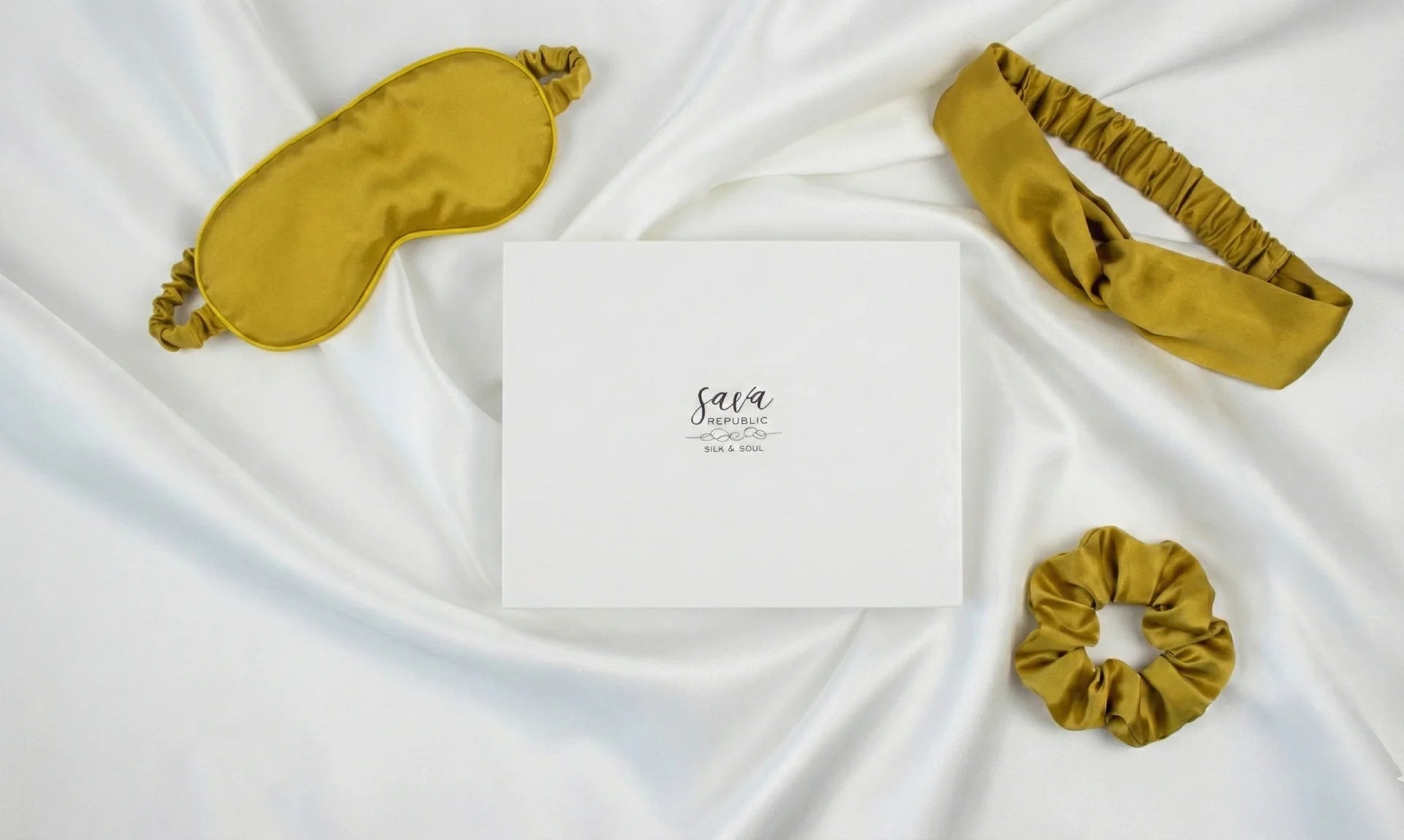
You don't have to limit the benefits of silk to your pillowcase. Silk hair accessories extend the same protection throughout your day:
- Silk scrunchies — hold hair without the crease or breakage of elastic bands
- Silk hair turban — gently absorb moisture from wet hair without roughing up the cuticle, reducing drying time and frizz
- Silk headband — keeps hair back during skincare routines without friction or pressure marks
Every Sava Republic silk product is crafted from Grade 6A OEKO-TEX certified mulberry silk, because your hair and skin deserve the best.

Leave a comment
This site is protected by hCaptcha and the hCaptcha Privacy Policy and Terms of Service apply.